Flood Cleanup in Franklin County County, FL, Day or Night
Water where it shouldn't be? Water Damage Aldine routes your call to an available independent contractor in Franklin County with the extraction and drying gear to stop the damage and put things back. The referral is free, and the line never closes.
Free referral. No obligation.
- Water source noted on the first call
- Nearest available contractor in Franklin County
- Written estimate before any work
Who We Are
Water Damage Aldine is a 24/7 referral network built for one job: getting a qualified water damage professional to your door as fast as possible. We don't employ crews or perform the work ourselves. What we do is match you with licensed and insured independent contractors who carry the extraction units, dehumidifiers, and meters the job requires.
Our dispatchers have heard it all, from a pinhole leak behind a shower valve to a sump pump that died mid-storm. They ask what matters, where the water came from, how long it's been there, and whether it's clean or contaminated, so the contractor arrives prepared.
Across Franklin County, conditions change from one town to the next. Some neighborhoods sit on slab foundations, others on crawl spaces or basements, and each one holds water differently. Routing you to an available pro near your town cuts drive time and puts local experience on the job.
Every caller gets the same thing: a fast connection, honest expectations, and a pro who quotes before they start.

Red Flags That Mean It's Time to Call for Help
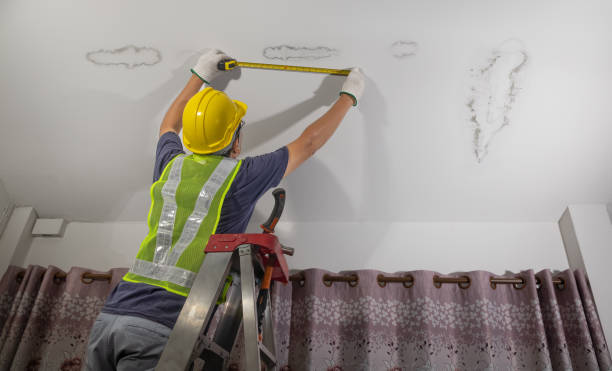
Water damage usually starts quietly. More often it's a soft patch of flooring, a ceiling stain creeping outward, or a musty odor that won't clear. If you notice any of the signs below, the clock is already running, because drywall wicks water upward and mold can take hold within 24 to 48 hours.
- Stains that keep spreadingYellow or brown rings on ceilings and walls mean water is moving above or behind the surface.
- Floors that feel soft or cuppedHardwood that cups, laminate that swells at the seams, or vinyl that bubbles all signal trapped moisture underneath.
- A musty, earthy smellA damp, earthy smell is often the first clue that mold is growing somewhere you can't see.
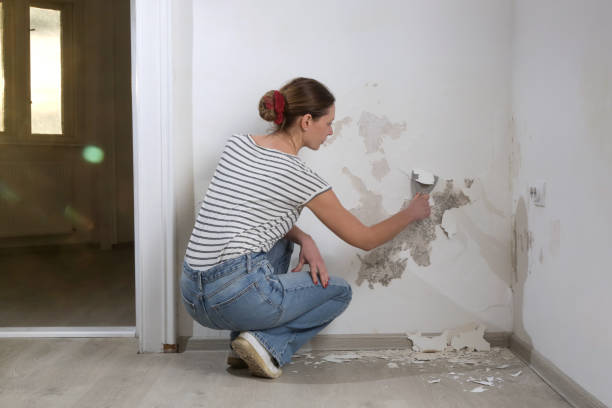
- Peeling paint or bubbling drywallBlistered paint and loose tape seams tell you water is getting behind the finish.
- A water bill that jumps for no reasonA sudden spike with no change in habits often means a hidden supply-line leak in a wall or slab.
- Standing water after a storm or appliance failureEven a shallow puddle from a water heater, washer hose, or storm seepage soaks baseboards and carpet pad fast.
What the Local Pros We Connect You With Handle
No two water losses look alike, which is why the independent pros we connect callers with in Franklin County handle everything from emergency extraction to finished repairs. Here's what each stage typically involves, so you know what a good job looks like.
Emergency Water Extraction
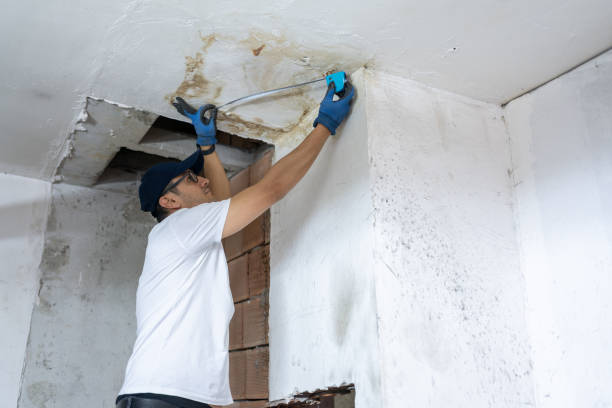
When water is still on the floor, extraction comes before anything else. The pros we dispatch roll up with truck-mount extractors and submersible pumps that move hundreds of gallons an hour. Weighted extraction tools squeeze water out of carpet before it wicks into tack strip and drywall.
A good tech classifies the water first, clean, gray, or black, since that classification decides what stays and what gets torn out. Clean supply-line water often lets carpet dry in place; sewage or outside floodwater means porous materials come out.
Structural Drying & Dehumidification
Pulling up the visible water is only half the job. Drywall, studs, subfloor, and concrete hold moisture long after the surface looks dry, and that hidden moisture is what warps flooring and feeds mold weeks later.
Specialists place high-velocity air movers and LGR or desiccant dehumidifiers based on room volume and how much material got wet, not by guesswork. They take daily readings with pin and pinless moisture meters, track humidity with a thermo-hygrometer, and keep a drying log until every material hits its dry standard. A typical house gets there in three to five days.
Residential Water Damage Repair
Once everything is dry, the house still has to look like home again. Home repair work includes replacing wet drywall and insulation, resetting baseboards and trim, and fixing or replacing damaged floors. Flood cuts are usually made 12 to 24 inches above the waterline so the wet section comes out cleanly and new board blends in once it's taped, mudded, and painted.
Many of the contractors we work with take the job from extraction to final paint, so you aren't juggling a drying company, a drywall crew, and a flooring installer. Request a written, itemized scope so you can line it up against your insurance estimate.
Commercial Water Damage Repair
For a business, every hour of a wet floor is lost revenue. Commercial crews work around your schedule and put up containment walls so the rest of the building keeps operating.
Larger jobs often call for trailer-mounted desiccant dehumidifiers, temporary power, and thermal imaging to trace water through drop ceilings and wall chases. Facility managers receive the moisture maps, photo logs, and drying records that carriers and tenants ask for.
Burst Pipe & Appliance Leak Damage
A burst supply line can push out several gallons a minute, and it rarely happens at a convenient time. Frozen pipes in exterior walls, cracked washing machine hoses, failed water heaters, leaking dishwashers, and refrigerator ice-maker lines are the usual culprits.
Shut off the main water valve and flip the breakers for wet rooms if it's safe to do so. The contractor extracts the water, opens the wall or cabinet base to dry the cavity, and brings in a plumber for the line repair if plumbing isn't part of their trade.
Sewage, Floodwater & Mold Prevention
Category 3 water is a different job entirely. Sewage backups and outside floodwater carry bacteria, so contractors wear proper PPE, remove contaminated porous materials, and apply EPA-registered antimicrobials before drying begins.
Because mold can start growing on wet drywall and wood within 24 to 48 hours, many jobs include antimicrobial treatment even with clean water. Already seeing growth? Ask about containment, HEPA air scrubbing, and clearance testing before work begins.
Water Still Spreading? Call Now.
Dispatchers are taking calls from across Franklin County right now. One call gets an independent pro headed your way.
How Getting Help Works
The process is simple on your end, and that's on purpose. You've got enough going on with water on the floor, so here's exactly what to expect after you call.
Call the 24/7 Line
Call +1-877-637-9008 and tell the dispatcher what happened, where the water came from, and how long it's been sitting. That information lets us match you with a pro equipped for your exact situation.
A Local Pro Heads Your Way
You're connected with an available local contractor who confirms your address and a realistic arrival time. In many areas emergency response is often under an hour, though timing depends on location and demand.
Inspection & Written Estimate
The contractor inspects with moisture meters and often a thermal camera to map how far the water spread. You get a clear explanation of the damage and a written estimate before any work starts.
Extraction, Drying & Repair
Once you approve, extraction and drying begin, followed by repairs once materials hit their dry standard. Keep copies of the drying log and photos for your insurance claim.
Why Homeowners Trust Water Damage Aldine When Water Hits
We don't pretend to be the crew that shows up at your door. What we do is make the first hour of a water emergency easier: a live voice, the right questions, and a fast connection to an independent pro who's ready to work.
Upfront, Written Pricing
The contractors we connect you with provide an estimate before work begins, so you know the scope and cost up front. If insurance is involved, most pros will work from your carrier's pricing guidelines and walk the adjuster through the job.
Fast Response, Day or Night
The line is staffed around the clock, every day of the year, because water doesn't wait for business hours. We route each call to a nearby available contractor to keep travel time short.
Local Dispatch, Not a Phone Tree
A live dispatcher picks up and asks the questions that matter, no menu maze. Local contractors know the housing stock in Franklin County, from slab foundations to crawl spaces and older plaster walls.
Licensed & Insured Independent Pros
We connect callers with licensed and insured independent professionals who carry commercial-grade extraction and drying gear. It's smart to verify license and insurance paperwork with the contractor before they start.
Our Promise to Every Caller
The referral service is free to you, with no obligation to hire. If a contractor can't reach you quickly enough, call us back and we'll try to find another available pro nearby.
What Homeowners and Business Owners Tell Us
Here's what a few recent callers had to say. Every situation was different, but each one started with a single phone call.
Our water heater let go overnight and soaked the laundry room and hallway. The tech had extractors running within twenty minutes of arriving and walked me through every moisture reading. Four days later the walls tested dry and nothing smelled musty.
— Danielle R., Franklin CountyI manage a small dental office, and a pipe burst above the ceiling on a Sunday. The commercial crew set up containment so we could still see patients Tuesday. The drying logs made the insurance claim painless.
— Marcus T., Franklin CountyDuring a big storm, sewage backed up through our basement floor drain. They suited up, removed the carpet and lower drywall, and disinfected everything before setting up the dryers. It was clear they cared about keeping my kids safe.
— Angela M., Franklin CountyI called at 2 a.m. expecting voicemail. A real person answered, asked what happened, and had someone at my door in about forty-five minutes. The estimate was clear and matched the final bill.
— Kevin L., Franklin CountyOur dishwasher had been leaking slowly under the cabinets for who knows how long. The contractor found it with a thermal camera, pulled the toe kick, and dried the subfloor without tearing out the kitchen.
— Priya S., Franklin CountyStorm water got under the back door and our hardwood was cupping by the next afternoon. They used floor-drying mats and dehumidifiers and saved most of the original boards. Only two rows had to be replaced.
— Tom and Rita H., Franklin CountyWhat Callers Ask Us Most
Straight answers to the questions dispatchers hear every day.
How fast can a Flood Cleanup technician arrive in Franklin County?
Most emergency calls are matched with an available independent contractor right away, and in many areas arrival is often within 60 minutes. Exact timing depends on your location, weather, and call volume, and the contractor will give you a realistic window when they confirm.
Do you provide upfront pricing?
Yes. The independent contractors we connect you with inspect the damage and give you a written estimate before any work starts. Final cost depends on how much water, how many rooms, the water category, and the repairs needed.
What emergency services are available?
Emergency service typically covers water extraction, structural drying, sewage cleanup, burst pipe damage, and mold prevention treatment. Many contractors can also pack out furniture and belongings if they need to come out of the wet area.
Will my homeowners insurance cover water damage?
It depends on the cause. Sudden, accidental events like a burst pipe or failed water heater are commonly covered, while gradual leaks and outside flooding often aren't unless you carry separate flood insurance. Check your policy and call your carrier early.
How long does it take to dry out a house?
Most structural drying jobs take three to five days, though dense materials like hardwood and concrete can take longer. The contractor tracks progress with daily moisture readings and pulls equipment only when materials hit their dry standard.
Can I stay in my home during water damage repair?
Usually, yes, for clean-water jobs. The equipment is loud and runs around the clock, but most families stay put. Sewage contamination, widespread mold, or electrical hazards are different, and the contractor may recommend staying elsewhere.
What should I do while I wait for help to arrive?
Turn off the main water valve, switch off power to affected rooms if it's safe, and lift rugs, electronics, and keepsakes out of the water. Grab photos and video before anything is moved, and avoid wading through water near electrical sources.
Is Water Damage Aldine the company doing the repairs?
Water Damage Aldine doesn't perform the work itself. We're a free referral service that routes your call to independent local professionals, who handle the estimate, the job, and any warranty they offer.
How do I know if mold is already growing?
Watch for an earthy smell, specks or fuzzy patches on walls and wood, and stains that keep coming back. Moisture readings and a thermal camera help pinpoint hidden wet areas where mold is most likely to grow.
What's the difference between Category 1, 2, and 3 water?
The categories describe contamination. Clean supply water is Category 1, gray water from appliances is Category 2, and sewage or floodwater is Category 3. Water also degrades, so a clean leak left sitting for days may be treated as Category 2 or 3.
Where We Connect Callers in Franklin County
We take calls from every city and town in Franklin County, from the busiest streets to the quiet rural roads. No matter where you are in the county, we'll work to route you to a nearby available pro. Every mile saved is time moisture doesn't get to spread.
Find your city in the table below along with the zip codes covered. Not listed? Call and ask, since coverage keeps expanding.