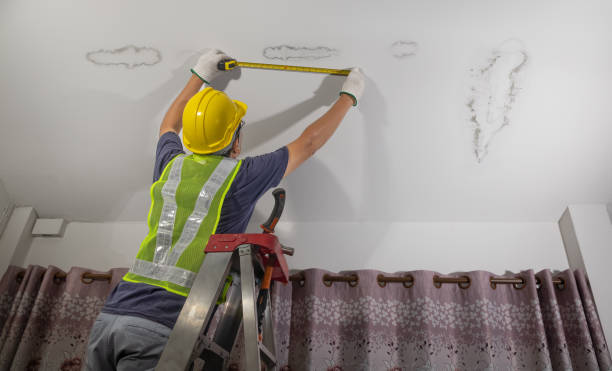
Flood Damage Restoration in Wilmington Island, GA, From Mud-Out to Rebuild
Floodwater from outside is always treated as Category 3, because it brings silt, bacteria, and chemicals into the house with it. One call routes you to an independent Wilmington Island flood restoration contractor equipped to tear out, disinfect, dry, and rebuild.
Free referral. No obligation.
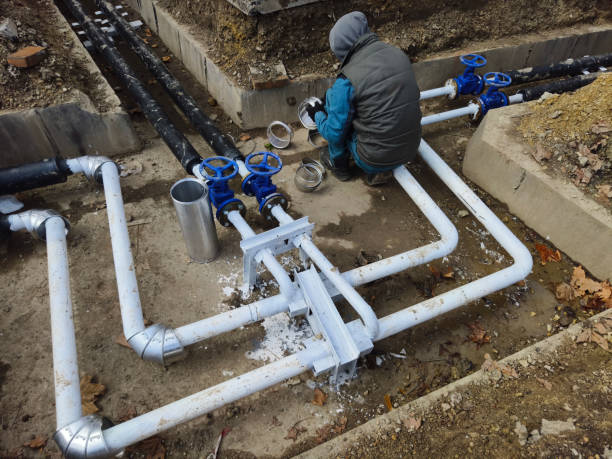
- Flood line measured and documented
- PPE and disinfection from day one
- Photos and logs ready for your flood claim
What Flood Restoration Through Our Network Looks Like
Flood jobs are different from a burst pipe. Contaminated water means porous materials below the flood line usually come out, and everything left behind gets disinfected before it's dried.

Category 3 Protocols
Contractors wear proper PPE, set up containment, and apply EPA-registered disinfectants to everything floodwater touched. It's standard practice for flood jobs, not an add-on.
Upfront Written Scope
You get a written estimate covering mud-out, tear-out, sanitizing, drying, and rebuild. It's built to line up with flood insurance documentation requirements.
Licensed & Insured Independent Pros
We connect you with licensed and insured independent contractors experienced with flood losses. Verify license and insurance with the contractor before work starts.
Local Dispatch After Storms
After a major storm, call volume spikes and local crews book up fast. An early call means faster routing to an available pro near Wilmington Island.
What Flood Damage Restoration Covers
Flood restoration follows a strict order.
Mud-Out & Silt Removal
Floodwater leaves a layer of silt and mud that has to be shoveled, squeegeed, and washed out before anything else. Skipping this step dries contamination right into the surface.
Gutting Below the Flood Line
Contractors remove porous materials below the flood line plus a margin above it for wicking. Framing usually stays if it can be sanitized and dried.
Disinfection of Structure & Surfaces
Every exposed surface gets cleaned and disinfected before drying begins. That's what makes the space safe to dry and rebuild.
Electrical & HVAC Checks
Outlets, wiring, and HVAC components that sat underwater need evaluation by the right trade before use. Restorers coordinate those inspections as part of the job.
Drying & Reconstruction
Framing and slab are dried to target readings before rebuild. Reconstruction follows with new insulation, drywall, floors, and trim.
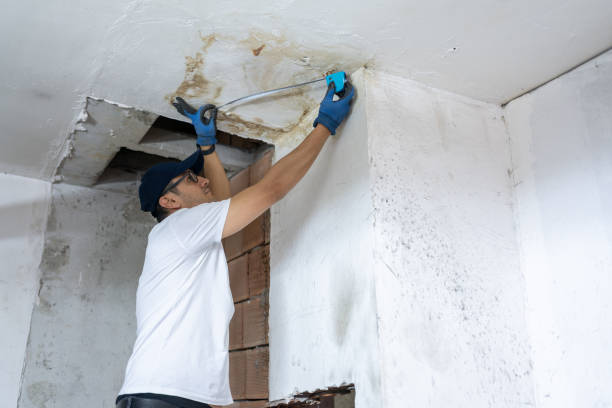
Don't Let Floodwater Sit
Reach an available flood restorer near Wilmington Island now.
What Happens After You Call
Every flood job starts with safety and paperwork.
Call When It’s Safe
After the area is cleared for re-entry, dial +1-877-637-9008. Let them know the approximate flood line.
Contractor Arrives & Documents
A nearby restorer inspects for hazards and records the high-water mark with photos. Those photos become part of your claim.
Scope & Estimate
You get a written scope covering tear-out, sanitizing, drying, and rebuild. Work begins after you approve it.
Gut, Sanitize, Dry & Rebuild
The crew mucks out, removes damaged materials, disinfects, dries, and rebuilds. You get drying logs for your records.
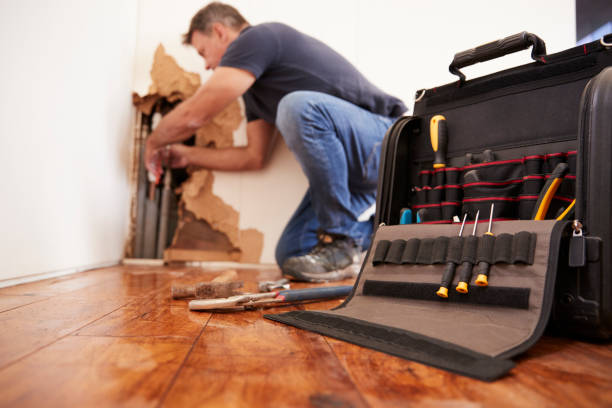
What Flooded Homeowners Tell Us
These callers all dealt with rising water, not a leak.
The creek behind our street came up eighteen inches into the house. The crew shoveled out the mud, cut the drywall at four feet, and disinfected everything before setting up dryers.
— Patricia N., Wilmington IslandI learned the hard way that homeowners insurance doesn't cover rising water. Thankfully we had flood coverage, and the contractor's photos of the flood line made the claim straightforward.
— Gary S., Wilmington IslandAn electrician cleared every submerged outlet before power came back on. That's the kind of care I wanted.
— Monique F., Wilmington IslandCommon Flood Restoration Questions
Does homeowners insurance cover flood damage?
Usually not. Rising-water damage is excluded from most homeowners policies and is covered by separate flood insurance through the NFIP or a private insurer.
Why does drywall have to come out after a flood?
Drywall and insulation soak up contaminated water and can't be disinfected effectively, so they're cut out above the high-water mark.
Can hardwood floors be saved after a flood?
Rarely after outside floodwater. Contamination soaks into the wood and subfloor, and most flood restorers recommend replacement. Clean-water leaks are a different story.
Is it safe to go back into a flooded home?
Wait until local authorities clear the area. Then watch for structural damage, gas smells, and electrical hazards, and wear boots and gloves since floodwater is contaminated.
How long does Flood Damage Restoration take?
Expect a couple of days for mud-out and demolition, about a week for drying, and several weeks for reconstruction, longer after widespread storms.
What should I document for my flood claim?
Photograph the high-water mark on walls, every damaged room, and items before they're discarded. Keep receipts for emergency expenses and copies of the contractor's drying logs.
Flood Damage Restoration Across Wilmington Island
Calls come in from all over Wilmington Island, especially areas near creeks, drainage channels, and low ground. We work to route each caller to an available independent restorer nearby. Zip codes covered include:
Demand spikes after storms, so earlier calls get routed sooner. Not listed? Call and ask.