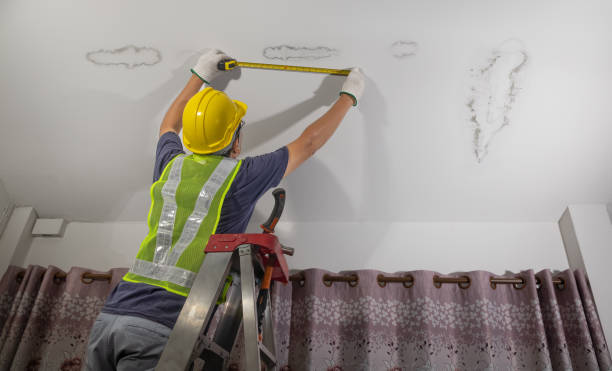
Flood Damage Restoration in Bound Brook, NJ After Rising Water
When a creek tops its banks or a storm drain backs into the street, the water that comes through the door isn't clean. It carries silt, sewage, fuel, and whatever it picked up along the way. Water Damage Aldine connects you with licensed and insured independent flood restoration contractors in Bound Brook who know how to gut, sanitize, dry, and rebuild safely.
Free referral. No obligation.
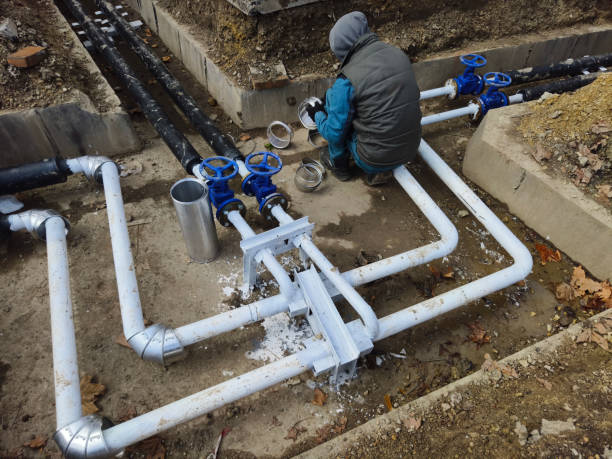
- High-water mark photographed and recorded
- PPE and disinfection from day one
- Photos and logs ready for your flood claim
Why Bound Brook Calls Us After a Flood
A flood is not a plumbing leak, and it shouldn't be treated like one. Contamination changes the rules: porous materials below the waterline are removed, and what remains is sanitized before drying.

Category 3 Protocols
Expect respirators, gloves, containment, and EPA-registered disinfectants on every surface the water reached. That's the baseline for floodwater, not an upgrade.
Upfront Written Scope
You get a written estimate covering mud-out, tear-out, sanitizing, drying, and rebuild. It's built to line up with flood insurance documentation requirements.
Licensed & Insured Independent Pros
The network includes licensed and insured independent restorers who've worked flood events before. Verify license and insurance with the contractor before work starts.
Local Dispatch After Storms
After a major storm, call volume spikes and local crews book up fast. Calling early gets you routed to an available pro near Bound Brook sooner.
Flood Damage Restoration Solutions
Here's the sequence a flood job follows.
Mud-Out & Silt Removal
Floodwater leaves a layer of silt and mud that has to be shoveled, squeegeed, and washed out before anything else. Skipping this step dries contamination right into the surface.
Gutting Below the Flood Line
Drywall, insulation, carpet, and pad below the high-water mark are removed, often 12 to 24 inches above it to catch wicking. Studs and plates stay if they can be cleaned and dried.
Disinfection of Structure & Surfaces
Exposed framing, slab, and hard surfaces are cleaned and treated with EPA-registered disinfectants. It's the step that makes the house safe to rebuild.
Electrical & HVAC Checks
Submerged outlets, panels, and ductwork should be checked by a qualified electrician or HVAC tech. Flood restorers typically arrange those checks.
Drying & Reconstruction
After sanitizing, structural drying brings framing and slab back to normal moisture levels. Then new insulation, drywall, flooring, and trim go in.
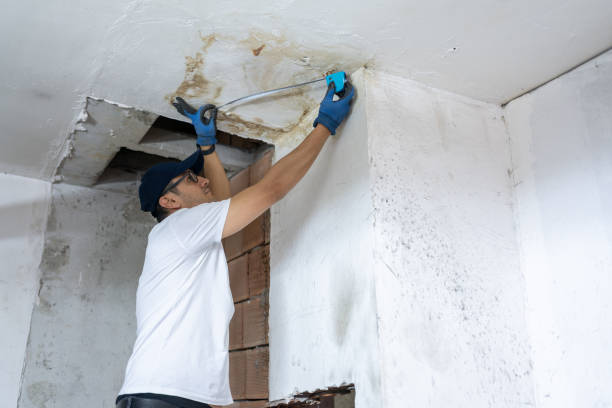
Floodwater Inside? Get Help Now.
One call connects you with an independent flood restoration pro near Bound Brook.
What Happens After You Call
Safety first, then documentation, then work.
Call When It’s Safe
After the area is cleared for re-entry, dial +1-877-637-9008. Tell the dispatcher how high the water got inside.
Contractor Arrives & Documents
An available independent contractor near Bound Brook arrives, checks for hazards, and photographs the flood line and damage. That documentation supports your flood claim.
Scope & Estimate
A written estimate lays out each phase before work starts. Work begins after you approve it.
Gut, Sanitize, Dry & Rebuild
Mud-out, tear-out, disinfection, drying, and reconstruction happen in that order. You get drying logs for your records.
Flood Recovery Stories From Bound Brook
These callers all dealt with rising water, not a leak.
The creek behind our street came up eighteen inches into the house. They mucked out the silt, flood-cut at four feet, and sanitized the framing before drying.
— Patricia N., Bound BrookI didn't know my standard policy wouldn't cover it. Luckily we had a flood policy, and the high-water photos made the claim simple.
— Gary S., Bound BrookAn electrician cleared every submerged outlet before power came back on. That's the kind of care I wanted.
— Monique F., Bound BrookCommon Flood Restoration Questions
Does homeowners insurance cover flood damage?
Usually not. Rising-water damage is excluded from most homeowners policies and is covered by separate flood insurance through the NFIP or a private insurer.
Why does drywall have to come out after a flood?
Floodwater is contaminated, and drywall and insulation absorb that contamination. They can't be reliably sanitized, so they're removed below the flood line plus a margin for wicking.
Can hardwood floors be saved after a flood?
Rarely after outside floodwater. Contamination soaks into the wood and subfloor, and most flood restorers recommend replacement. Clean-water leaks are a different story.
Is it safe to go back into a flooded home?
Wait until local authorities clear the area. Then watch for structural damage, gas smells, and electrical hazards, and wear boots and gloves since floodwater is contaminated.
How long does Flood Damage Restoration take?
Expect a couple of days for mud-out and demolition, about a week for drying, and several weeks for reconstruction, longer after widespread storms.
What should I document for my flood claim?
Photograph the high-water mark on walls, every damaged room, and items before they're discarded. Keep receipts for emergency expenses and copies of the contractor's drying logs.
Where We Connect Bound Brook Callers After Floods
We take flood calls from low-lying neighborhoods, creekside streets, and every other part of Bound Brook. We work to route each caller to an available independent restorer nearby. Nearby zip codes include:
After big storms, call early since schedules fill fast. Don't see your zip? Call anyway.