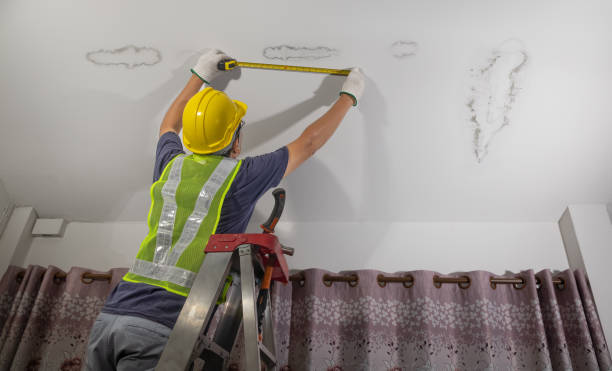
Water Mitigation in Pageland, SC to Stop the Spread
Water is coming from somewhere you can't see, and every minute it's traveling further into walls and floors. Mitigation is the emergency work that keeps a manageable loss from turning into a major one. One call routes you to an independent Pageland mitigation pro who can contain the loss and start drying today.
Free to call, no obligation to hire.
- Damage boundaries set on day one
- Moisture readings documented from the start
- Written mitigation estimate
Why Choose Our Specialized Water Mitigation in Pageland, SC
Insurance policies typically expect you to protect the property from additional damage after a loss. Fast, documented mitigation is how you meet that obligation and keep your claim clean.

Dispatch in the Critical Window
What happens in the first day or two shapes the entire claim. We route your call to an available mitigation contractor near Pageland right away.
Licensed & Insured Independent Pros
We connect you with licensed and insured independent contractors who do emergency mitigation every day. Confirm their credentials before work begins.
Documentation From Minute One
Contractors photograph, measure, and log moisture readings before and during every step. It proves to your carrier that the loss was mitigated quickly.
Transparent Emergency Pricing
Beyond stopping the immediate spread, nothing proceeds without a written estimate. Pricing usually follows the same databases insurers use.
Water Mitigation Solutions
Mitigation is about limits: limiting spread, limiting tear-out, limiting cost.
Source Control & Containment
Once the source is shut off, poly sheeting and zip walls keep moisture and dust from spreading. Containment also creates a drying chamber that dries faster.
Controlled Demolition
Only materials that can't be dried in place come out, such as soaked pad, swollen toe kicks, or saturated insulation. Weep holes and narrow cuts let walls dry without gutting the room.
Rapid Water Extraction
Extraction tools are matched to carpet, hard floors, or wall bases. Thorough extraction cuts days off drying.
Drying Chamber Setup
Air movers and dehumidifiers are placed inside the containment to pull moisture out efficiently. Daily readings track progress to the drying goal.
Insurance Documentation
You receive photos, moisture maps, equipment logs, and a mitigation report. Those records support both the mitigation bill and any later repair claim.
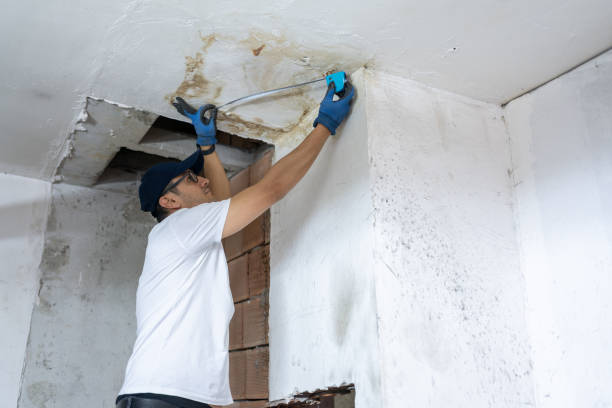
Stop the Damage From Spreading
Reach an available mitigation contractor near Pageland now.
The Water Mitigation Process
This is how the critical first stretch usually goes.
Stop the Source & Call
Shut off the fixture valve or main supply, then call +1-877-637-9008. Snap a few photos before anything moves.
Contractor Contains the Loss
An available independent contractor near Pageland arrives, sets containment, and starts extraction. Baseline readings go into the log.
Scope & Estimate
You get a written mitigation scope and estimate. Work beyond emergency stabilization starts after your approval.
Dry, Monitor & Report
Drying runs with daily monitoring until goals are met, then you receive the final report. You choose who handles any repairs afterward.

Mitigation Stories From Pageland
These callers caught it early and it paid off.
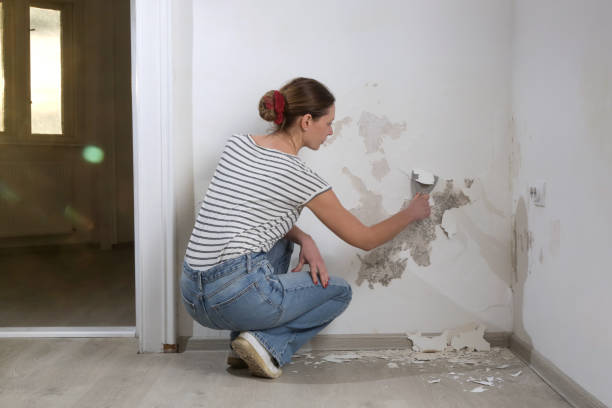
Water came through our downstairs light fixture from a leaking tub drain. The contractor set up a containment wall, opened only a small section of ceiling, and had it drying that night. The repair was tiny.
— Andrea L., PagelandThe adjuster complimented how thorough the mitigation paperwork was. Every reading and every photo was dated.
— Robert C., PagelandThey drilled weep holes behind the baseboards instead of tearing out the whole wall. Saved us a lot of rebuild work.
— Nadia H., PagelandCommon Questions About Water Mitigation
What's the difference between water mitigation and water restoration?
Mitigation is the emergency phase: stopping further damage through extraction, containment, controlled tear-out, and drying. Restoration is the repair phase afterward, rebuilding what was removed or damaged.
Does my insurance require me to mitigate water damage?
Typically, yes. Policies usually say you must prevent additional damage after a loss, and delays can give the carrier grounds to deny part of the claim.
How quickly should mitigation start?
As soon as possible, ideally within the first 24 hours. Mold can begin growing on wet materials in 24 to 48 hours, and water keeps wicking into drywall and framing until it's extracted and dried.
Will mitigation mean tearing out my walls?
Not always. Contractors often dry walls in place using small cuts or weep holes, removing drywall only when it's saturated, contaminated, or structurally compromised.
Who pays for Water Mitigation?
Covered losses typically include mitigation costs. Your deductible applies, and documentation from the contractor supports the bill.
Where We Connect Pageland Callers With Mitigation Pros
We take mitigation calls from homes, apartments, and businesses throughout Pageland. We aim to reach the nearest mitigation contractor with open capacity. Zip codes in the area include:
Not sure if you're covered? Call and ask. The sooner you call, the sooner help is routed.