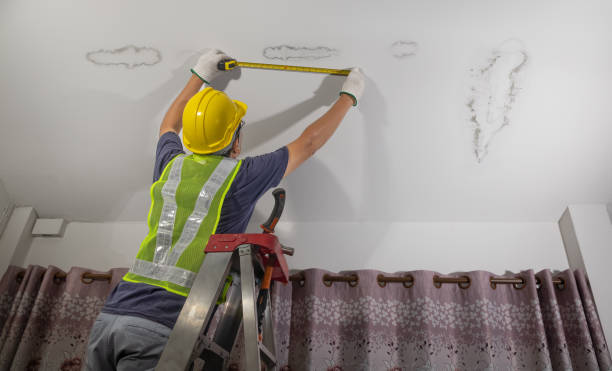
Emergency Water Removal in Lake Brownwood, TX, Any Hour
A 50-gallon water heater tank doesn't drip when it fails. It lets go, and the garage, utility room, and everything stored on the floor ends up sitting in several inches of water. One call routes you to an independent Lake Brownwood contractor with submersible pumps and truck-mounted extraction built to move serious volume.
Free referral. No obligation.
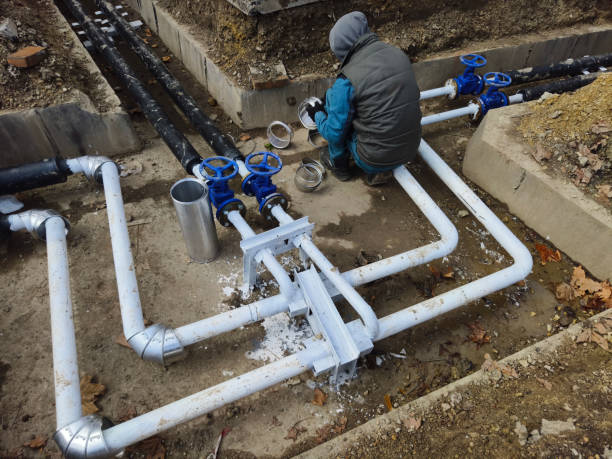
- Pump size matched to the water volume
- Electrical hazards checked first
- Written estimate before pumping starts
Why Call Us When Water Is Standing
Shop vacs fill up in minutes and clog on debris. Real water removal is about gallons per minute, safe power, and getting the water off-site.
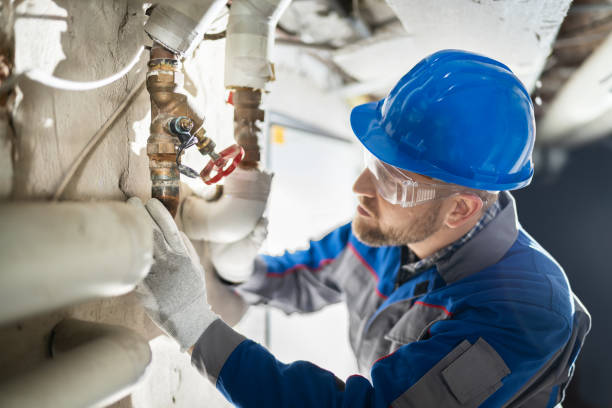
Fast Local Dispatch
Standing water starts wicking into drywall and framing almost immediately. We route your call to the closest available removal contractor near Lake Brownwood.
High-Capacity Equipment
Expect submersible pumps that move dozens of gallons a minute, plus truck-mount and portable extractors. Water gets discharged well away from the foundation, not dumped next to it.
Licensed & Insured Independent Pros
We connect you with licensed and insured independent contractors who handle standing water every week. Verify credentials directly before work starts.
Clear Pricing Before Pumping
You get a written estimate before the pumps go in. Most estimates factor in water volume, square footage, and whether pad or drywall has to come out.
Water Removal Work We Connect You With
The right equipment depends on where the water is and how deep it sits.
Submersible Pump-Out
When water is more than an inch or two deep, submersible pumps do the heavy lifting. Pumps knock the level down fast, and extractors finish the last inch.
Concrete Floor Water Removal
Slab utility rooms and garages take the brunt of most tank ruptures. Water gets pumped and squeegeed out, then the wall bottom plates are dried before moisture climbs.
Carpet & Pad Water Removal
Carpet pad holds an enormous amount of water and rarely dries well in place after a big soak. Contractors extract the carpet, pull saturated pad, and float the carpet to dry it if it can be saved.
Crawl Space Water Pumping
Water pooled on a crawl space vapor barrier keeps humidity high under the whole house. Pros pump the pooled water, check the vapor barrier, and set dehumidification if needed.
Moisture Check & Drying Handoff
Getting the water out is step one; the contractor then checks walls and floors with a moisture meter. Wet materials get air movers and dehumidifiers right away.
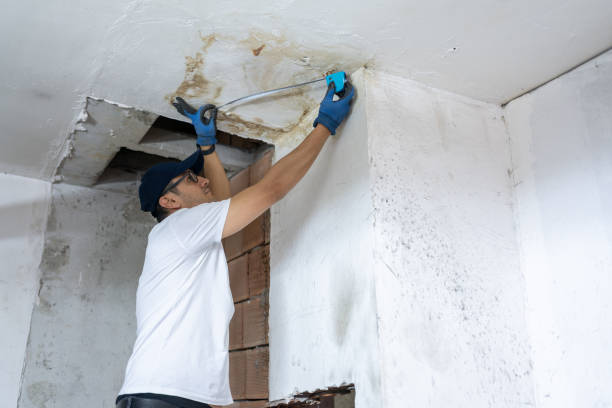
Get the Water Out Before It Climbs
An independent removal pro near Lake Brownwood can be on the way after one call.
The Water Removal Process
The steps are simple and fast.
Shut It Off & Call
Close the water heater's cold supply valve or the main shutoff, then call +1-877-637-9008. Give a rough depth and the rooms involved.
Pro Arrives With Pumps
A nearby pro shows up with submersible pumps and extraction gear. Electrical safety comes first.
Estimate & Pump-Out
You approve a written estimate, and the water starts coming out. Water is discharged to a safe drain point.
Extract, Measure & Dry
Remaining water is extracted, materials are measured, and drying is set up where needed. You'll know exactly what's still wet before the contractor leaves.
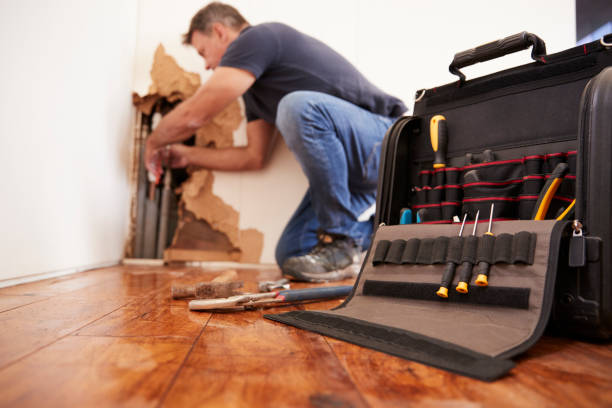
After the Water Came Out
Each one began with water on the floor that wasn't going anywhere.
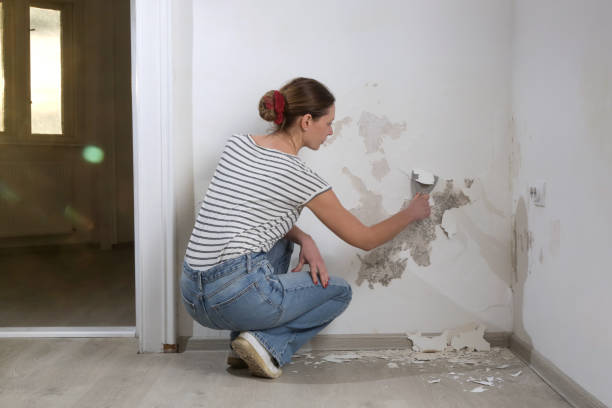
Our water heater burst in the garage and we had three inches across the whole floor. They had two pumps going within minutes and the floor was clear in under an hour.
— Carlos M., Lake BrownwoodI spent an hour with a shop vac and got nowhere. The contractor's truck-mount pulled the rest out of the carpet in twenty minutes. Should have called first.
— Heather J., Lake BrownwoodThere was water sitting on the vapor barrier under our house after a plumbing leak. The pro pumped it, patched the torn barrier, and put a dehumidifier down there.
— Ben T., Lake BrownwoodWater Removal Questions, Answered
Can I remove the water myself with a shop vac?
For a small spill on hard flooring, maybe. For anything more than a few gallons, a shop vac fills too fast and can't pull water out of carpet pad or wall bottoms, which is where the long-term damage happens.
Is it safe to walk in standing water?
Avoid it if anything electrical could be submerged. Turn off the breaker only if the panel is dry and reachable, or wait for help.
How fast can standing water be removed?
Most single-room or garage jobs are pumped down within a couple of hours. Extraction from carpet and measuring wet walls adds time after that.
Where does the removed water go?
Clean water is typically discharged to a floor drain, a utility sink, or outdoors away from the foundation. Contaminated water is handled according to local rules, often into the sanitary sewer.
Do I still need drying after the water is removed?
Almost always. Removing standing water doesn't dry drywall, framing, or subfloor that have already absorbed moisture, so the contractor checks readings and sets drying equipment where needed.
Where We Connect Lake Brownwood Callers With Removal Pros
We take water removal calls from all over Lake Brownwood, from slab homes to houses with crawl spaces and basements. We work to route you to an available independent contractor close by. Zip codes in the area include:
Outside these zip codes? Ask the dispatcher. We'll tell you right away if help is available.